Case study · heat pump comparison
For most homes, an air source heat pump is the practical choice. It costs far less to install, needs only a small outdoor space and causes much less disruption. Ground source can have the edge in very cold weather, but it needs room for trenches or a borehole and costs considerably more, so it mainly suits large plots, self-builds and major renovations. Both qualify for the same £7,500 grant in England and Wales.
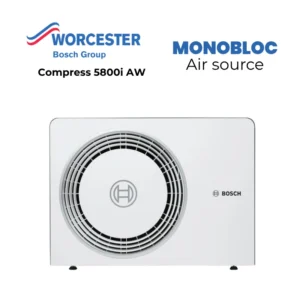
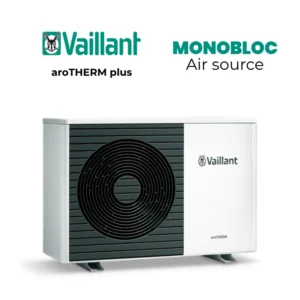
Air source and ground source heat pumps do the same job. They move heat from outside into your home to run your radiators or underfloor heating and to heat a hot water cylinder. The difference is where that heat comes from. An air source unit takes it from the outside air, while a ground source system collects it through pipes buried in your garden or sunk into a borehole. This guide explains how the two compare on cost, space, efficiency and disruption, and why most homeowners end up choosing air source. For the bigger picture, start with our heat pump hub, or if you already know you want air source, see how two popular models compare in Vaillant aroTHERM plus vs Worcester Bosch Compress 5800i.
How each type works
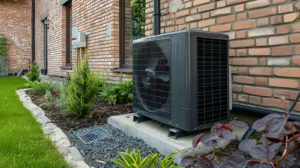
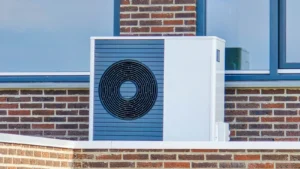
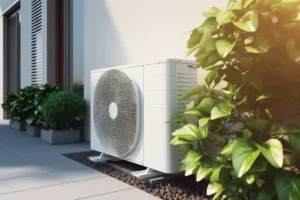
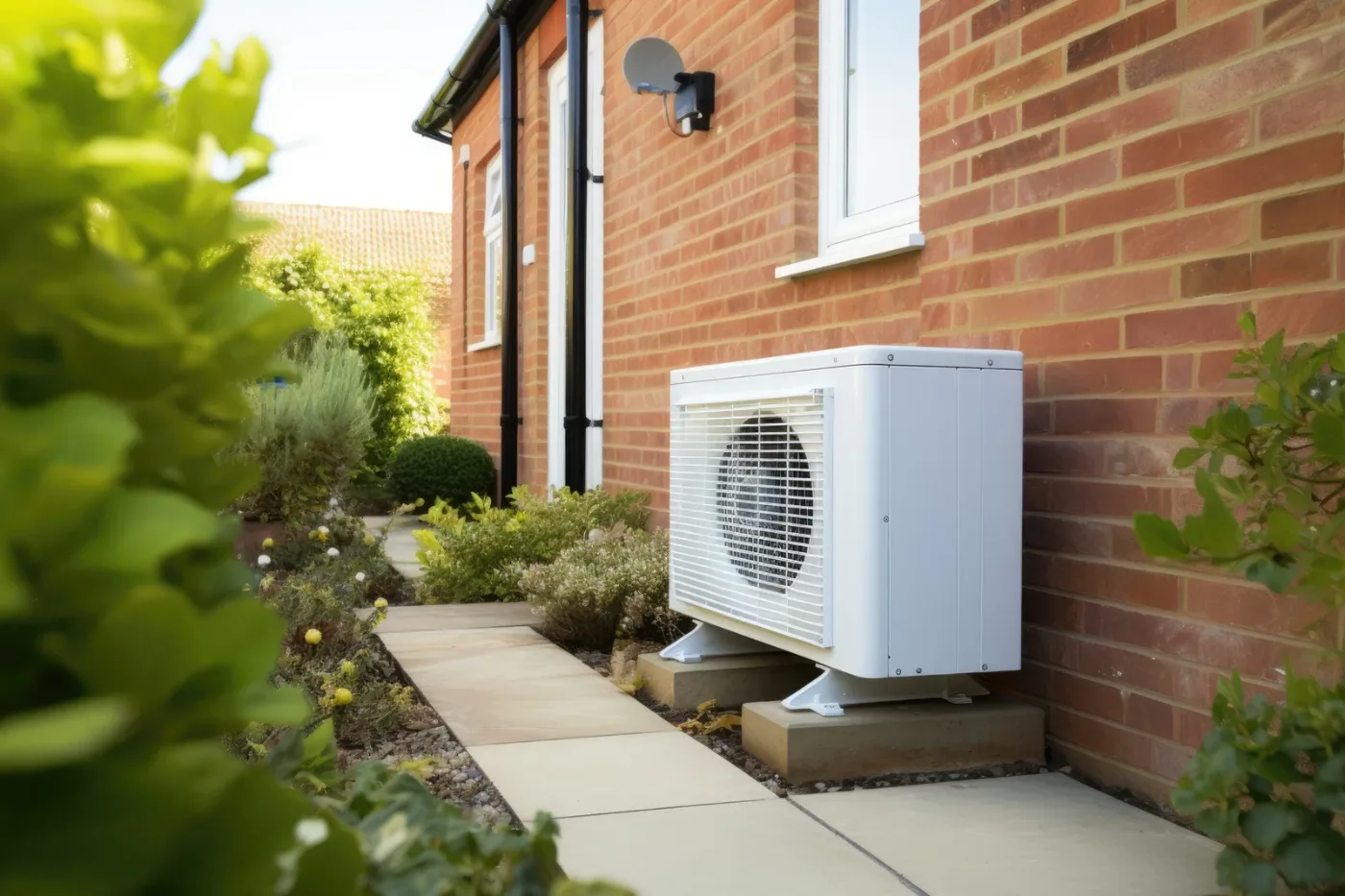
An air source heat pump sits outside, usually on a base in the garden or on brackets against a wall. A fan draws air across a heat exchanger, a refrigerant absorbs the heat, and a compressor raises it to a useful temperature for your heating and hot water. The Energy Saving Trust says air source units can keep working at around -15°C, and that outdoor temperatures between -5°C and 25°C cover at least 95% of the year for most UK homes.
A ground source heat pump uses a loop of pipe filled with a water and antifreeze mix. The loop is either laid in long trenches or inserted into a deep borehole. The ground holds a steadier temperature than the air through winter, which is the main appeal. The heat pump unit itself is normally installed indoors, so there is nothing to see on the outside of the house.
Installation cost and the grant
Cost is the biggest difference between the two. The Energy Saving Trust puts the typical cost of installing an air source heat pump at around £14,000. For ground source, it gives around £29,000 for a system using trenches and says a borehole will cost considerably more. Every home is different, so treat these as guide figures and ask for a quote based on a proper heat loss design.
The grant is the same for both. Under the Boiler Upgrade Scheme in England and Wales you can get £7,500 towards an air source or ground source heat pump, and water source systems count as ground source. Off-gas-grid homes replacing oil or LPG can get £9,000, thanks to an extra £1,500 available until March 2027. In Scotland, Home Energy Scotland grants apply instead. Because the grant doesn’t change with the type, the gap in upfront cost stays wide after it is applied. Our grant guide explains how the scheme works and who applies for it.
Space and disruption
An air source heat pump needs a spot outside with good airflow, plus room indoors for a hot water cylinder in most homes. The outdoor work is limited to a base or wall brackets and the pipe run into the house, so the garden is left largely as it was.
Ground source is a different scale of project. Trenches mean digging up a large part of the garden, and a borehole needs access for a drilling rig. That is why ground source is most often chosen when the garden is being landscaped anyway, or on a self-build or major renovation where groundworks are already planned. The Energy Saving Trust says most installations of either type count as permitted development, so planning permission usually isn’t needed, but check with your council if your home is listed or in a conservation area.
Efficiency and running costs
Heat pumps are efficient because they move heat rather than make it by burning fuel. The Energy Saving Trust says that for every unit of electricity they use, heat pumps generate around three units of heat.
Ground source has an advantage in long cold spells because the ground temperature is steadier. But the Energy Saving Trust also points out that air source can outperform ground source on many days, because it doesn’t need energy to pump fluid around buried pipework. In practice, design quality matters more than the heat source. Correctly sized radiators, low flow temperatures and good controls make the biggest difference to your bills, whichever type you choose.
Running costs depend on your tariff, your home and how the system is set up, so ask your installer for an estimate based on your own heat loss figures rather than relying on a headline number.
Air source vs ground source at a glance
Which should you choose?
Choose air source if:
- You live in a typical house or bungalow with a modest garden or a free side wall
- You want the lowest installation cost after the grant
- You want minimal disruption to your garden and home
- You’re replacing a gas, oil or LPG boiler in an existing home
Consider ground source if:
- You have a large plot and are landscaping or building anyway
- You’re planning a self-build or deep renovation with groundworks already booked
- You’d rather have the heat pump indoors with nothing on the outside wall
- You accept a much higher upfront cost for a steadier heat source
If air source is the right fit, the next decisions are which design and which brand. Our guides to monobloc vs split heat pumps and heat pump vs gas boiler cover the next steps, and you can browse models on our Vaillant, Viessmann, Ideal and Worcester Bosch pages.
Frequently asked questions
Is a ground source heat pump more efficient than air source?
It can be in very cold weather, because the ground temperature is steadier than the air. Over a whole year the difference is often smaller than people expect, and the Energy Saving Trust notes that air source can perform better on many days. A good design matters more than the source.
Can I get the Boiler Upgrade Scheme grant for ground source?
Yes. In England and Wales the grant is £7,500 for air source or ground source, including water source systems. It rises to £9,000 for off-gas-grid homes replacing oil or LPG until March 2027. In Scotland, Home Energy Scotland grants apply instead.
Do I need a big garden for ground source?
For a trench system, yes, you need a large area that can be dug up. A borehole needs far less surface space but costs considerably more, and the site needs access for drilling equipment. Your installer will check what your plot allows.
Do I need planning permission for a heat pump?
Usually not. The Energy Saving Trust says most installations are permitted development, but check with your local planning department if your home is listed or in a conservation area.
We recommend one trusted installer per area. They’ll carry out a proper heat loss survey and tell you honestly whether air source or ground source makes sense for your property.
Find a recommended installerCompare heat pumps