
Solar guide

Solar panels & battery storage

Thinking about solar? Start here. See how solar panels and home batteries work, which option suits your home or business, what help is available, and find a recommended installer near you.
Make your own electricityStore it for the evening0% VAT until March 2027Homes and businesses
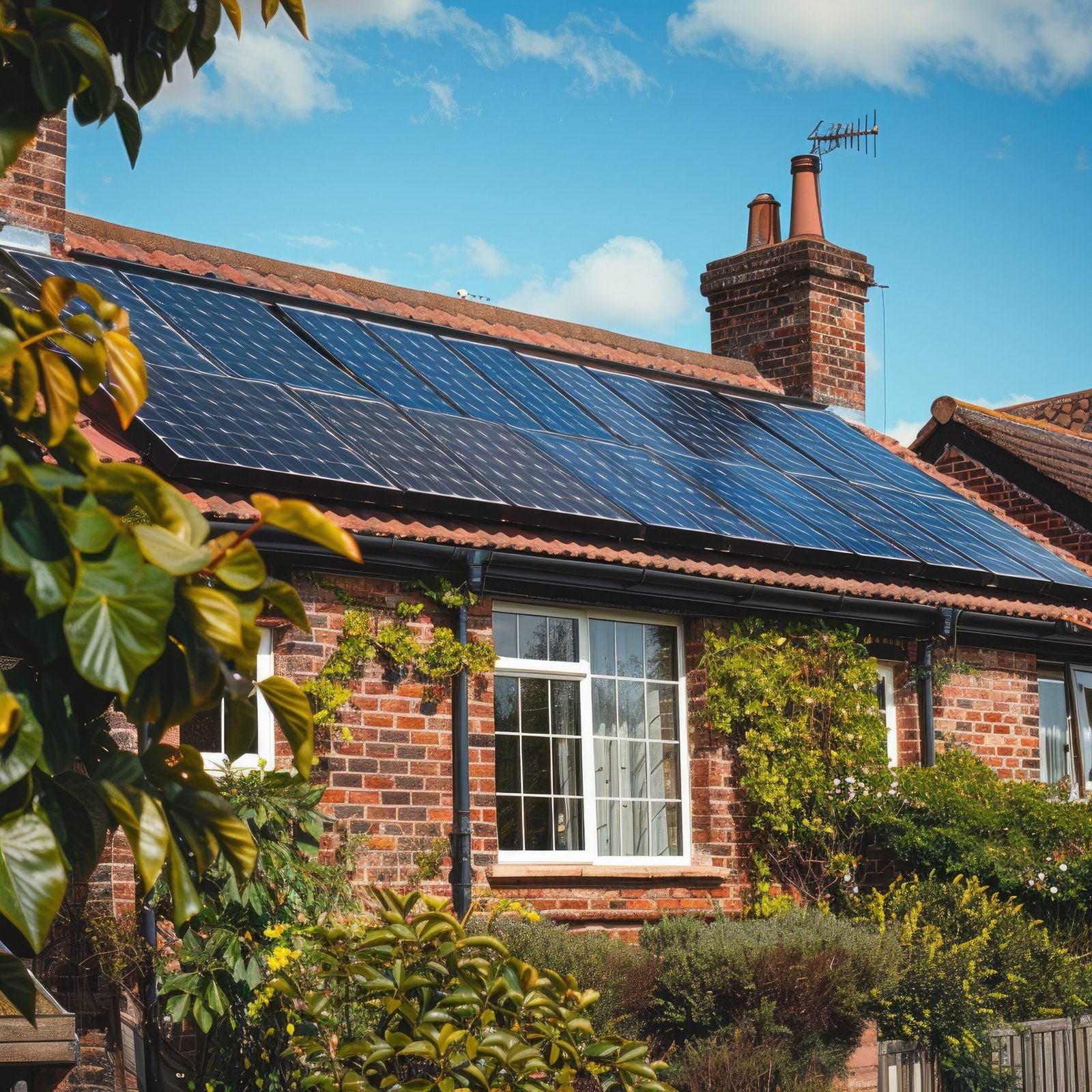
Red brick house with solar panels on the roof

Step 1: Choose your option

Solar panels, a battery, or both?

Solar panels, usually called solar PV, make electricity from daylight. Adding a battery lets you keep what you don't use straight away. Which suits you depends on your roof and when you use electricity.
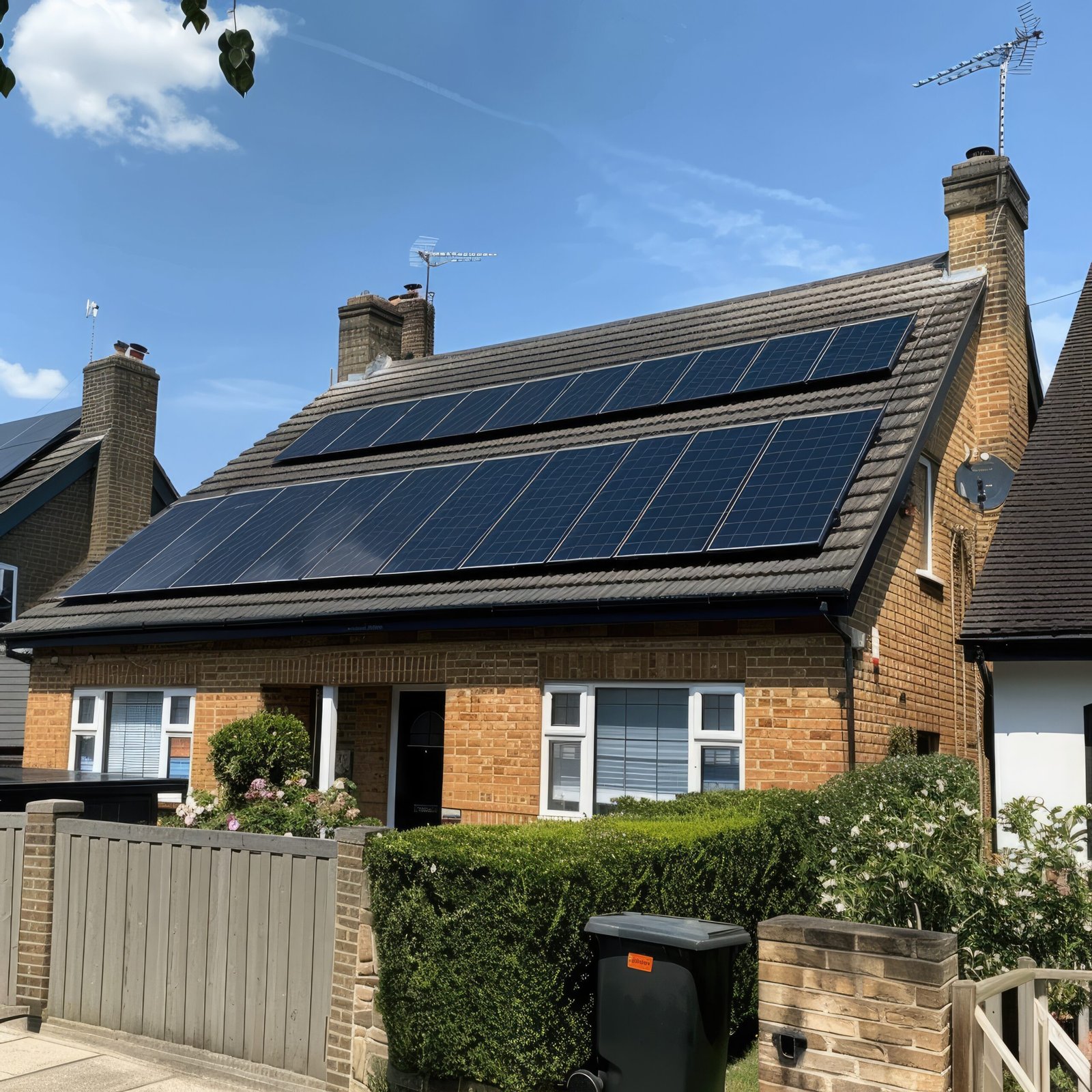
Semi-detached house with a full row of solar panels on the roof
Most popular

Solar panels on their own

Panels on your roof turn daylight into electricity. An inverter converts it for your appliances, your home uses it first, and anything spare goes to the grid.
Best for: Homes and businesses that use plenty of electricity during the day.
Solar panels with or without a battery
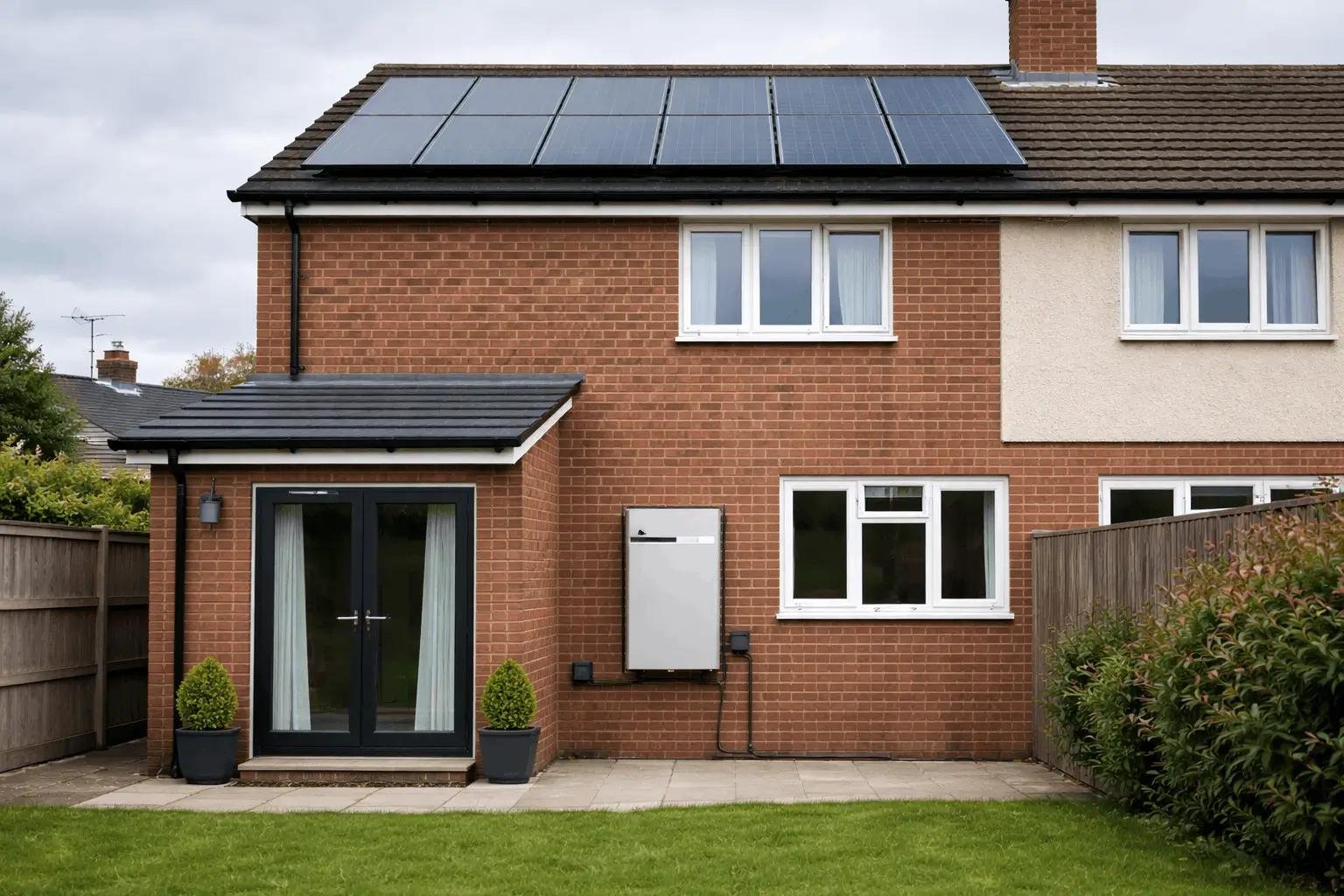
House with solar panels on the roof and a battery unit on the outside wall
Most flexible

Solar panels with a battery

A home battery stores the electricity your panels make during the day, so you can use it in the evening instead of buying it from the grid.

Best for: Homes that use most of their electricity in the evening, or want more control over their energy.
Home battery with or without solar panels

Step 2: Choose your installation

Where can solar panels go?

Most roofs can take solar panels. After a survey, your installer will recommend how many panels will fit and the right system for how you use electricity.

Pitched roofs

The most common home installation, with panels fixed to rails on a south, east or west facing roof.

Flat roofs

Panels sit on angled frames, which suits extensions, garages and many commercial roofs.

Business premises

Offices, schools, factories and warehouses that use most of their electricity during the day.

Alongside a heat pump

A heat pump runs on electricity, so solar can supply some of its power. The two are often planned together.

With an EV charger

Use your own solar electricity to help charge an electric car at home.
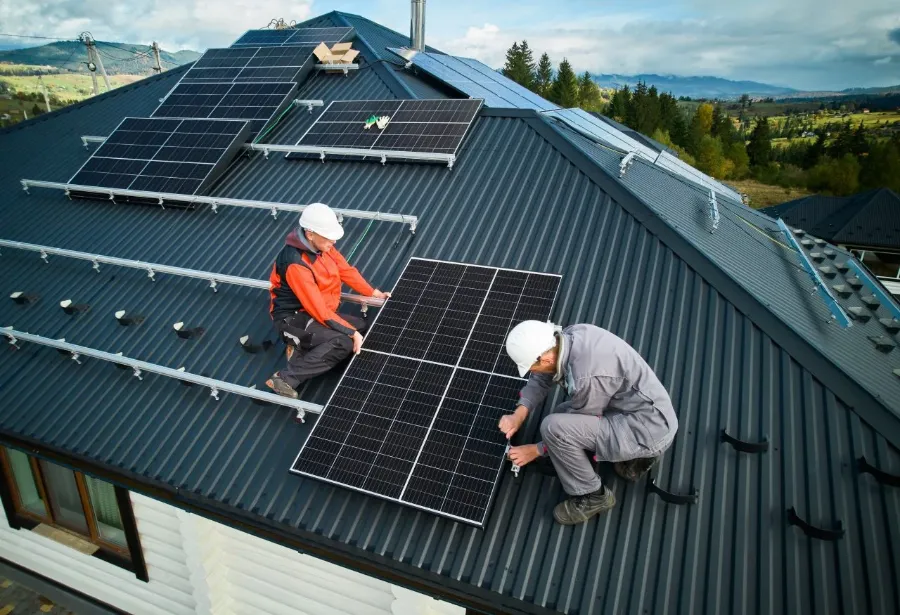
Two installers fitting solar panels on a roof

Before any quote

Every good installation starts with a survey

A good installer looks at your roof and how you use electricity before recommending anything, so the system suits your property rather than a standard package.

  • Roof direction, angle and shading
  • Roof condition and structure
  • When you use electricity
  • Where the inverter and battery go
  • MCS certified installation
  • Planning checks where needed
Find a recommended installer

How it works

Power by day, stored for the evening

Solar panels make direct current (DC) electricity from daylight, not heat, so they work all year round. An inverter turns it into the alternating current (AC) your home runs on.

Solar panelsMake DC electricity
InverterTurns DC into AC
Your homeUses it first

Anything your home doesn't use

Charges your batteryFor the evening
Goes to the gridPaid under the SEG

Daytime: generate

Your home uses the solar electricity first. Anything spare charges your battery, if you have one.

Evening: use what you stored

The battery powers your home after dark, so you buy less electricity from the grid.

Export: get paid

Electricity you don't use or store goes to the grid, and under the Smart Export Guarantee your supplier pays you for it.

Step 3: Add battery storage

Battery storage: use more of your own power

A home battery is a wall-mounted unit, usually fitted inside, in a garage or on an outside wall. It can work with new solar panels, be added to panels you already have, or run on its own.

With new solar panels

Fit panels and a battery together as one system, designed around your roof and your electricity use.

Added to existing solar

Already have panels? A battery can usually be added, so you use more of what they make.

A battery on its own

Charge it from the grid at cheaper off-peak times and use it when electricity costs more.
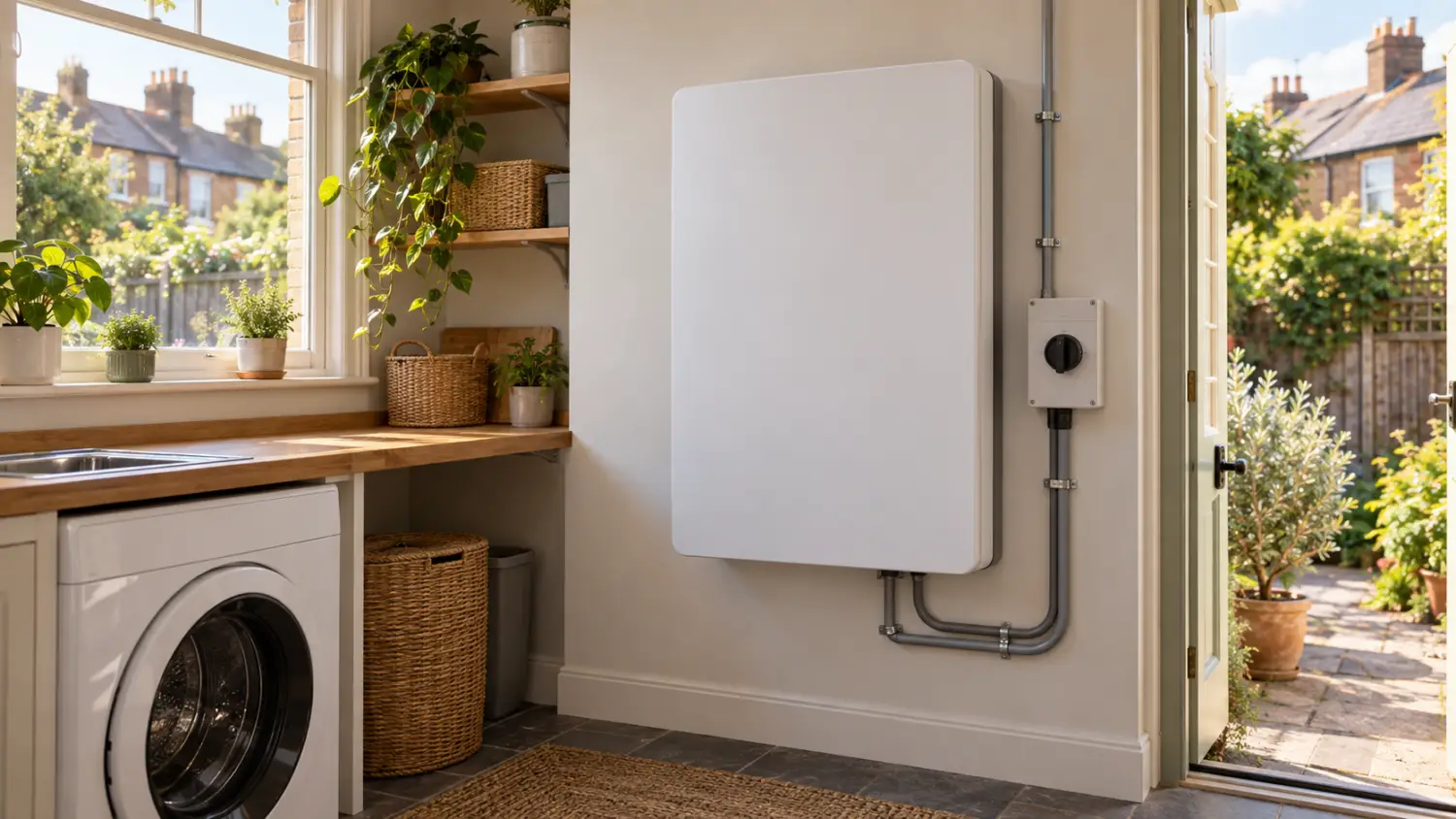
White home battery mounted on a utility room wall

Home batteries

Store your solar electricity for later

Most homes use the most electricity in the morning and evening, when panels make little or none. A battery moves the solar power you make during the day to the times you need it.

  • Store spare solar power
  • Charge on cheaper off-peak tariffs
  • Add to an existing solar system
  • Works alongside a heat pump
  • 0% VAT on home batteries until March 2027
Find a battery installer

Homes and businesses

Solar for homes and businesses

Solar suits homes of every size, as well as workplaces with large roofs and high daytime electricity use.
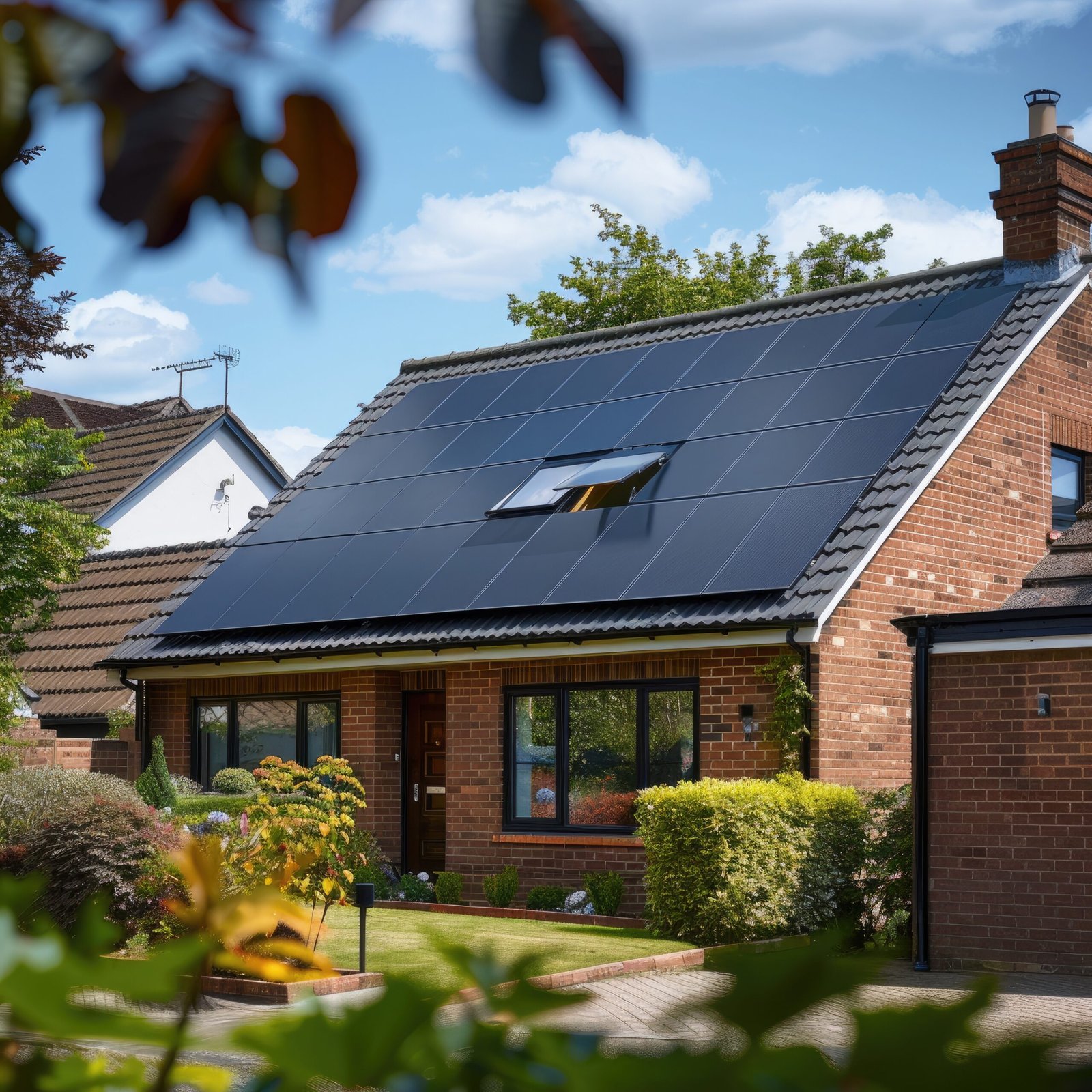
Modern brick home with solar panels on the roof
For your home

Solar panels for your home

From a few panels on a terraced house to a full roof with a battery, a home system is designed around your roof and when you use electricity.
  • Pitched and flat roofs
  • A battery now or later
  • 0% VAT until 31 March 2027
Compare your options
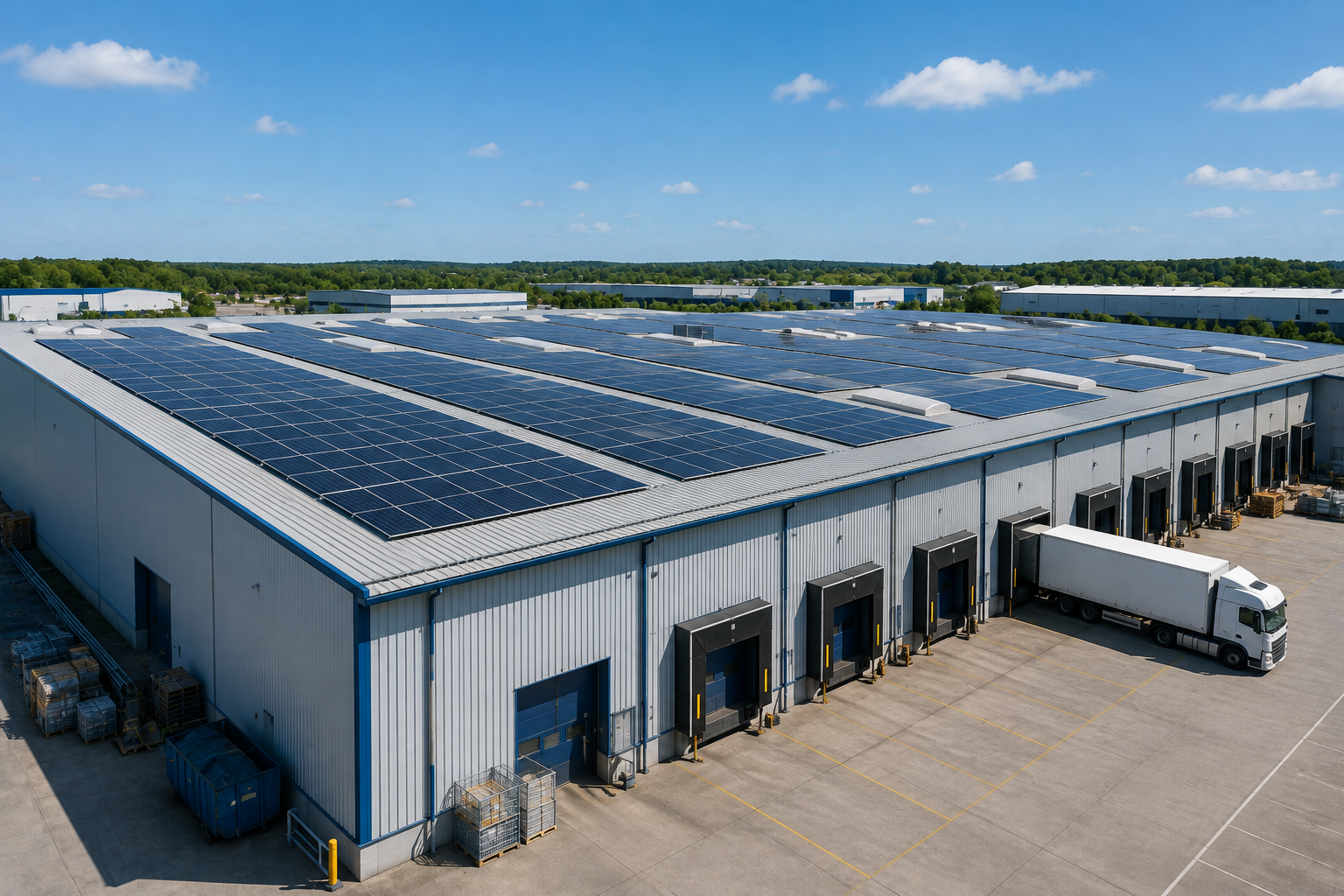
Solar panels covering the roofs of a row of warehouses
For your business

Commercial solar PV

Businesses that use most of their electricity during the working day get the most from solar, from schools and offices to factories and warehouses.

  • Schools, offices and public buildings
  • Factories, warehouses and retail
  • Planned alongside heating and heat pumps
Find a commercial installer

Step by step

How a solar installation works

From your first enquiry to making your own electricity, a good installation follows the same five steps.

1

Tell us about your property

Your home or building, your roof and roughly how much electricity you use.

2

Survey

The installer checks the roof, any shading, your consumer unit and where the inverter and battery will go.

3

Design and quote

A system sized to your roof and your electricity use, with an estimate of what it should generate.

4

Installation

The panels, inverter and any battery are fitted, connected and tested.

5

Handover

You get your MCS certificate and the monitoring app, and you can sign up for an export tariff.

Help with the cost

For homes, three things can make solar and batteries more affordable.

0%

VAT on home solar and batteries

Solar panels and battery storage installed in homes are zero-rated for VAT until 31 March 2027, including batteries added on their own or to existing panels.

£15,000

Warm Homes Loan

Low and zero interest loans of up to £15,000 for solar panels and up to £15,000 for batteries, through government-approved lenders. Available across the UK, with an MCS certified installer.

SEG

Smart Export Guarantee

Get paid for the solar electricity you send to the grid. In Great Britain, each energy supplier sets its own export rate.

Checked November 2026 against GOV.UK, HMRC and Ofgem. Rules and dates can change, so your installer will confirm what applies to you.

Solar questions

Solar panel and battery FAQs

The questions homeowners and businesses ask most before getting solar panels or a battery.

Still not sure?

Tell us about your home or business and we will put you in touch with the right recommended installer.

Find your installer
Do solar panels work in the UK?

Yes. Solar panels generate electricity from daylight, not heat, so they work all year in the UK. They produce the most in spring and summer, and less on short, dull winter days.

Do I need planning permission for solar panels?

Many roof-mounted systems on homes don't need a full planning application, but it depends on the building and where it is. Listed buildings, conservation areas and some flat roofs can need permission, so your installer checks this as part of the survey.

Is a battery worth adding?

A battery stores spare solar electricity so you can use it in the evening instead of exporting it. It suits homes that use most of their electricity after dark. Your installer can look at when you use power and tell you whether a battery makes sense for you.

Can I have a battery without solar panels?

Yes. A battery can charge from the grid at cheaper off-peak times and power your home when electricity costs more. A battery can usually be added to an existing solar system too.

Is there VAT on solar panels and batteries?

Solar panels and battery storage installed in homes are currently zero-rated for VAT, until 31 March 2027. This includes batteries fitted on their own or added to existing panels.

Can I get a loan for solar panels or a battery?

Yes. The government's Warm Homes Loan Scheme offers low and zero interest loans of up to £15,000 for solar panels and up to £15,000 for batteries, through approved lenders. The work must be done by an MCS certified installer.

Can I get paid for the electricity I export?

Yes. Under the Smart Export Guarantee, many energy suppliers in Great Britain pay you for the solar electricity you send to the grid. Each supplier sets its own rate, and you'll usually need an MCS certified installation and a smart meter that records exports.

Do solar panels work with a heat pump?

Yes. A heat pump runs on electricity, so solar panels can supply some of its power. Several of our recommended installers fit both, so the two can be planned together.

Can businesses get solar panels?

Yes. Offices, schools, factories, warehouses and hospitality businesses that use most of their electricity during the day are often a good fit. Enhanced Energy Solutions designs commercial solar PV around how each building uses power.

Not sure which solar setup is right for you?

Tell us a little about your home or business and we will put you in touch with the right recommended installer for your area.