Case study · heat pump comparison
A retrofit keeps most of your existing radiators and pipework and upgrades only what the heat loss design shows is needed, so it’s quicker, cheaper and less disruptive. A full system upgrade replaces the radiators, pipework and cylinder, and makes sense when the old system is worn out, undersized or being stripped out in a renovation anyway. For most homes, a well-designed retrofit is the place to start.
Switching from a boiler to a heat pump doesn’t automatically mean ripping out your whole heating system. In many homes, most of the radiators and pipes can stay, with a few targeted upgrades. In others, starting again makes more sense. This guide explains the two approaches, when each one is right, and how a good heat loss design decides between them. For the basics, see our heat pump hub and our guide to heat pump vs gas boiler.
What a heat pump retrofit means
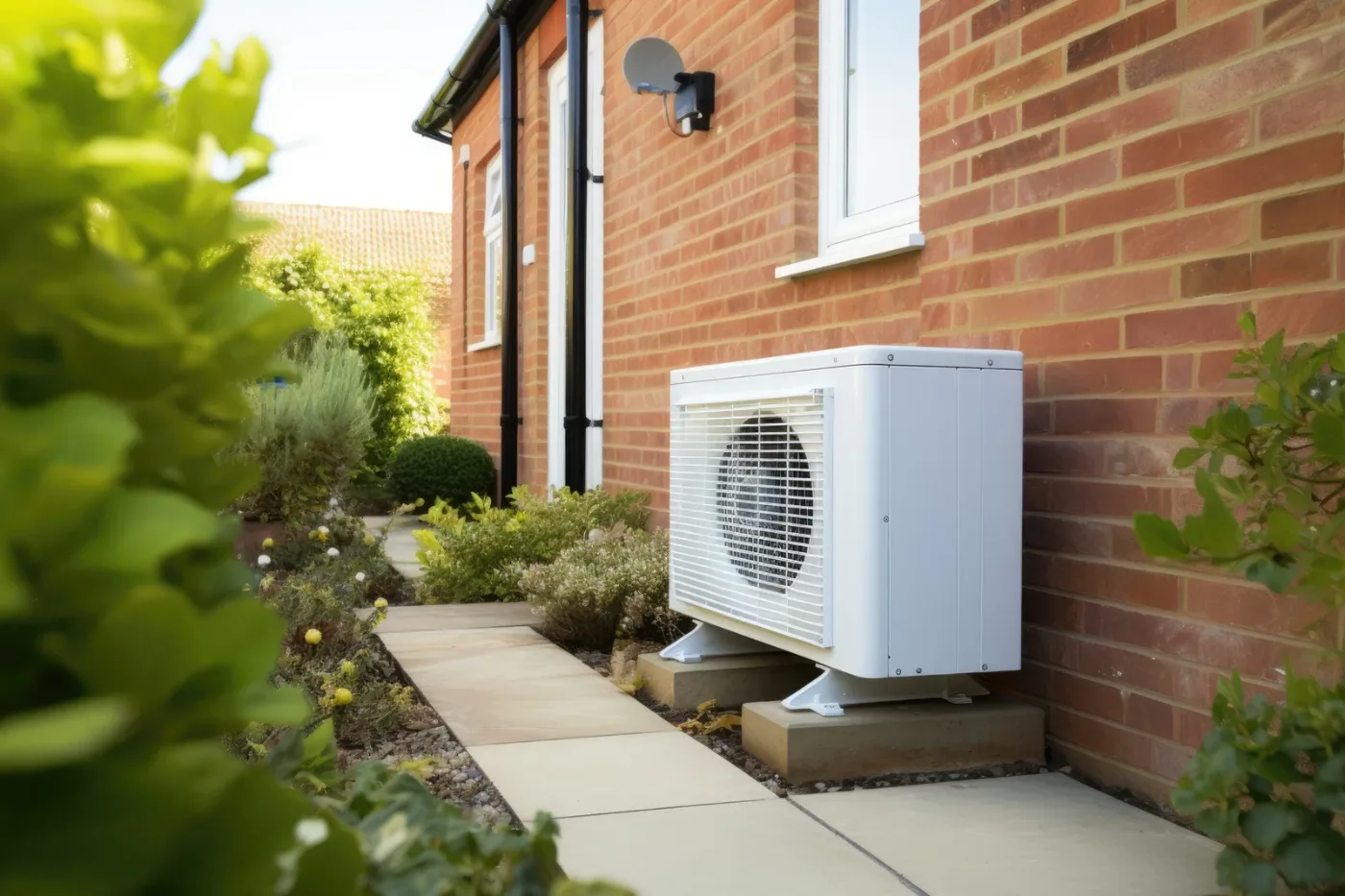
In a retrofit, the heat pump connects to your existing heating system. Most radiators and pipework stay where they are, and the installer upgrades only the parts the heat loss design says need changing. That might be a larger radiator in a north-facing bedroom or a bay-fronted lounge, a new hot water cylinder, and new controls.
Manufacturers design for this. Viessmann says existing radiators may be kept with its Vitocal 150-A, depending on the home’s heat loss, which the installer has to calculate. It also says an existing cylinder may be kept in some cases, depending on its coil size and other factors.
What a full system upgrade means
A full system upgrade replaces most of the heating system alongside the heat pump: new radiators throughout, new pipework and a new hot water cylinder, plus controls. Underfloor heating may also be added where floors are coming up anyway.
It makes sense when the existing system is near the end of its life, has leaks or heavy sludge, or uses pipework too narrow to carry the flow a heat pump needs. It’s also the natural choice during a major renovation or extension, when floors and walls are open and the extra work adds little disruption. Home Energy Scotland notes that installation costs depend on the work needed, such as pipework, a new hot water cylinder and upgraded radiators.
Why the heat loss design decides
A heat pump runs most efficiently at low flow temperatures. The lower the temperature it can run at, the more heat it delivers for each unit of electricity. Radiators give out less heat at lower temperatures, so each room needs enough radiator surface to stay warm on a cold day.
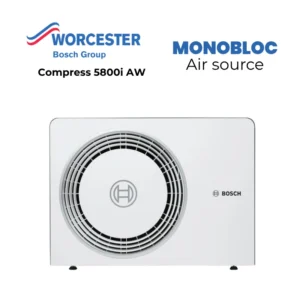
That’s why the starting point should be a room-by-room heat loss calculation, not a guess. It shows exactly which rooms already have enough radiator capacity and which need more. High-temperature heat pumps give more flexibility here. The Vaillant aroTHERM plus and Worcester Bosch Compress 5800i AW reach up to 75°C, and the Viessmann Vitocal 150-A up to 70°C, but every heat pump is most efficient well below its maximum. You can also compare Ideal models on our brand page.
Heat Geek’s ZeroDisrupt approach
Heat Geek describes ZeroDisrupt as its installation process for making the switch to a heat pump simple, predictable and disruption-free. Its design tool uses room scans and real-world performance data to cut out unnecessary upgrades, aiming to hit a chosen efficiency target. Heat Geek gives examples such as changing one or two radiators instead of ten, and keeping the existing hot water cylinder where the data shows it will perform well.
Heat Geek says many of these installations now take just a few days instead of one to two weeks on site. It’s designed for typical homes currently heated by gas, with larger renovations and extensions handled through a separate bespoke process. ZeroDisrupt is one low-disruption retrofit approach; other good installers also design careful retrofits. See our recommended installers page for specialists we recommend.
Retrofit vs full system upgrade at a glance
The grant is the same either way: £7,500 in England and Wales, or £9,000 for off-gas-grid homes replacing oil or LPG until March 2027. In Scotland, Home Energy Scotland grants apply. Our grant guide explains how it works.
Which should you choose?
Choose a retrofit if:
- Your radiators and pipework are in good condition
- The heat loss design shows only a few rooms need bigger radiators
- You want the least disruption and the lowest cost
- Your existing cylinder is suitable, or there’s space for a new one
Choose a full system upgrade if:
- Your system is old, sludged up or leaking
- The pipework is too narrow for the flow a heat pump needs
- You’re renovating, extending or lifting floors anyway
- You want underfloor heating or a complete redesign
Next, choose the right type of heat pump with air source vs ground source heat pumps and monobloc vs split heat pumps.
Frequently asked questions
Will I need new radiators for a heat pump?
Not necessarily all of them. A room-by-room heat loss calculation shows which rooms already have enough radiator capacity. In many retrofits only a handful of radiators change.
Can I keep my existing hot water cylinder?
Sometimes. Heat Geek and Viessmann both say an existing cylinder can stay where it suits the heat pump. If you have a combi boiler, you’ll need a cylinder fitted, or a heat pump with one built in.
Is a retrofit less efficient than a full upgrade?
Not if it’s designed properly. The aim of a good retrofit is to reach a chosen efficiency target with the fewest changes. A poorly designed system of either kind will underperform.
How long does a heat pump retrofit take?
It depends on the home and the work needed. Heat Geek says many of its ZeroDisrupt installations take a few days rather than one to two weeks. A full system upgrade usually takes longer.
Our recommended installer for your area will carry out a heat loss survey and tell you exactly which radiators, if any, need to change.
Find a recommended installerCompare heat pumps