Case study · heat pump comparison
A gas boiler is cheaper and quicker to fit, but a heat pump is far more efficient, lasts longer and has much lower carbon emissions. With the £7,500 Boiler Upgrade Scheme grant in England and Wales, a heat pump makes most sense for reasonably insulated homes with room for a hot water cylinder. Day-to-day running costs depend heavily on your electricity tariff and the quality of the design.
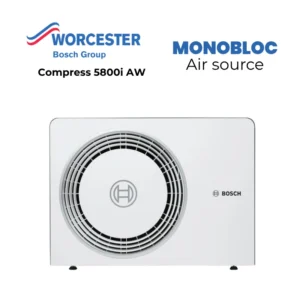
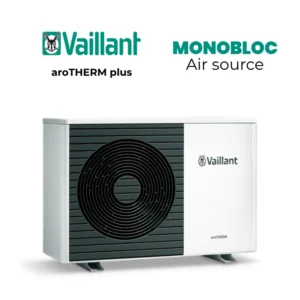
If your boiler is getting old, you’re probably weighing up a like-for-like replacement against a heat pump. This guide compares the two on running costs, suitability, installation disruption, lifespan and the grant, so you can decide what fits your home. For the basics of how heat pumps work, see our heat pump hub. If you’re leaning towards a heat pump, you can compare models from Vaillant, Viessmann, Ideal and Worcester Bosch.
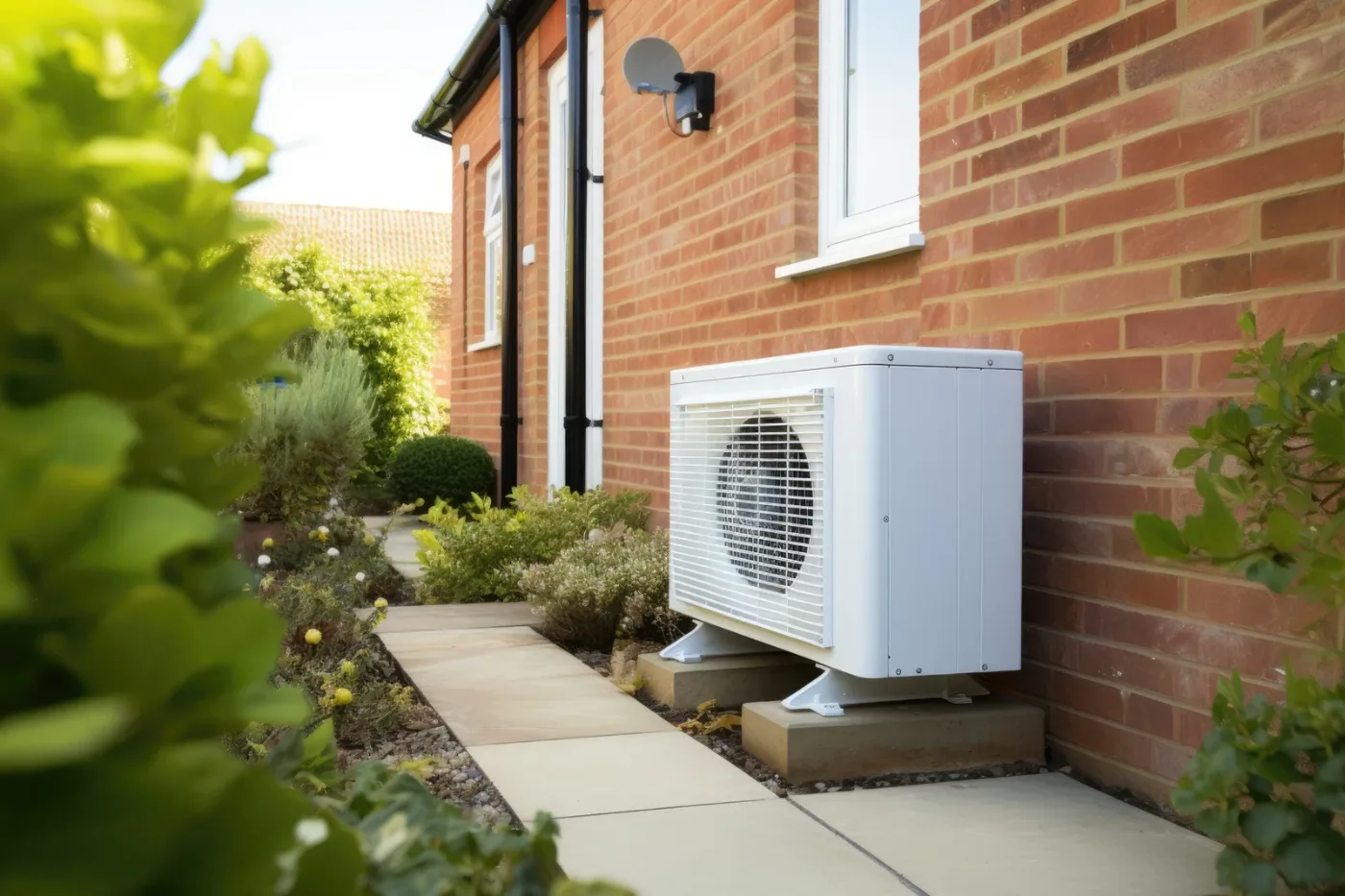
How they compare on efficiency
A gas boiler burns fuel to make heat. A modern condensing boiler is efficient, but it can never deliver more heat than the energy in the gas it burns. A heat pump works differently. It moves heat from the outside air into your home, so it delivers more heat than the electricity it uses. The Energy Saving Trust says heat pumps are more than three times more efficient than a gas or oil boiler, and because they don’t burn fossil fuels, their carbon emissions are lower too.
Running costs
Higher efficiency doesn’t automatically mean lower bills, because electricity costs more per unit than gas. The Energy Saving Trust says heat pumps currently generally cost slightly more to run than new gas boilers, as electricity is around four times more expensive than gas. It expects savings to improve as electricity prices change, and says that if you’re replacing any other kind of heating system, such as oil or LPG, you should see savings on your bills.
Your actual costs depend on three things you can influence: how well the system is designed, with correctly sized radiators and low flow temperatures; how it’s controlled; and which electricity tariff you choose. Ask your installer for a running cost estimate based on your own heat loss figures rather than a national average.
Is your home suitable?
Heat pumps work in many existing homes, not just new builds, but they’re designed differently from boilers. They run at lower temperatures for longer, so the installer starts with a room-by-room heat loss calculation. Insulation helps, and some rooms may need larger radiators. Viessmann notes that existing radiators may be kept, depending on the home’s heat loss, which the installer has to calculate.
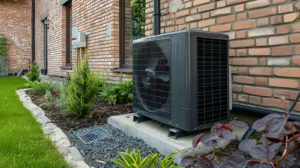
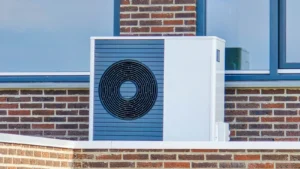
A heat pump heats your hot water in a cylinder, so homes with a combi boiler need space for one. Some models solve this with a built-in cylinder, such as the Viessmann Vitocal 151-A with its integral 190-litre cylinder. You’ll also need a suitable spot outside for the unit. The Energy Saving Trust says most installations are permitted development, though listed buildings and conservation areas should check with the council first.
Installation and disruption
A like-for-like boiler swap is usually the smaller job, with little change to the rest of your heating system. A heat pump installation involves more: the outdoor unit, a hot water cylinder if you don’t already have one, new controls, and any radiator or pipework upgrades the design calls for.
Disruption can be lower than many people expect. Heat Geek says that with its ZeroDisrupt approach, many installations now take just a few days instead of one to two weeks on site. Our guide to heat pump retrofit vs full system upgrade explains how much of your existing system can usually stay, and you can find specialists on our recommended installers page.
Lifespan and maintenance
Home Energy Scotland says a well-maintained heat pump should last around 20 years, with some lasting longer, while a boiler’s lifetime is more like 15 years. Both should be serviced regularly to keep them running efficiently, so ask your installer what servicing your chosen model needs and how it affects the guarantee.
The grant and upfront cost
The Boiler Upgrade Scheme doesn’t fund gas boilers, but it does fund heat pumps. In England and Wales you can get £7,500 towards an air source or ground source heat pump, or £9,000 if your off-gas-grid home is replacing oil or LPG, thanks to an extra £1,500 available until March 2027. Your installer applies on your behalf and the grant comes off your installation cost. In Scotland, Home Energy Scotland grants apply instead. See our grant guide for the details.
The Energy Saving Trust puts the typical cost of installing an air source heat pump at around £14,000 before the grant. A replacement gas boiler costs less upfront, so ask for quotes on both and compare them over the life of each system.
Heat pump vs gas boiler at a glance
Which should you choose?
Choose a heat pump if:
- Your home is reasonably well insulated, or you’re improving it
- You have space for a hot water cylinder and an outdoor unit
- You want lower carbon emissions and a longer-lasting system
- You’re off the gas grid and replacing oil or LPG
- You can use the Boiler Upgrade Scheme grant
Stick with a gas boiler for now if:
- You need the lowest upfront cost and a quick swap
- There’s no realistic space for a cylinder or an outdoor unit
- You’re planning major insulation work first and want to revisit the decision afterwards
Ready to look at heat pumps in more detail? Compare air source vs ground source heat pumps and monobloc vs split heat pumps to narrow down the right type.
Frequently asked questions
Will a heat pump work with my existing radiators?
Often, many of them can stay. Viessmann notes that existing radiators may be kept depending on the home’s heat loss, which the installer has to calculate. Some rooms may need a larger radiator so the heat pump can run at the lower temperatures that keep it efficient.
Is a heat pump cheaper to run than a gas boiler?
Not always at the moment. The Energy Saving Trust says heat pumps currently generally cost slightly more to run than new gas boilers, but expects that to improve, and says you should see savings if you’re replacing another kind of heating. A good design and the right tariff make a big difference.
How long does a heat pump last compared with a boiler?
Home Energy Scotland says a well-maintained heat pump should last around 20 years, with some lasting longer, compared with around 15 years for a boiler.
Can I get a grant to replace my gas boiler with a heat pump?
Yes. In England and Wales the Boiler Upgrade Scheme gives £7,500 towards an air source or ground source heat pump, or £9,000 for off-gas-grid homes replacing oil or LPG until March 2027. In Scotland, Home Energy Scotland grants apply.
Our recommended installer for your area can tell you honestly whether a heat pump suits your home, and what it would take to get there.
Find a recommended installerCompare heat pumps